


BEYOND THE BENCH Empowering innovation in Flavors & Fragrances with Solaris Biotech
The Food & Beverage industry is evolving beyond traditional production models as consumers increasingly demand healthier, more transparent, and sustainable solutions. This transformation is driving the rapid growth of FoodTech, an ecosystem where food science, biotechnology, and advanced process control converge to reshape how ingredients are developed and produced.
At the core of FoodTech lies precise, scalable bioprocessing—a critical capability enabling the transition from conventional methods to innovative, bio‑based solutions. This is where companies like Solaris Biotech play a key role, supporting innovators across the entire development and scale‑up journey.
FoodTech combines food science, biotechnology, digital control to improve enhance the quality, safety, sustainability, and performance of food systems.
Key domains include:
Fermentation-based innovation: precision fermentation for enzymes, proteins, vitamins; microbial cultures as a food source itself; advanced control of traditional fermentations.
Cellular agriculture: cell-based meat, dairy, and fats grown in bioreactors with strict process control and scalability.
Functional & clean-label ingredients: probiotics, bioactives, natural colorants, and flavor molecules developed biotechnologically.
Circularity: waste-to-value via microbial conversion and biocatalysis.
Biotech in Flavors & Fragrances (F&F)
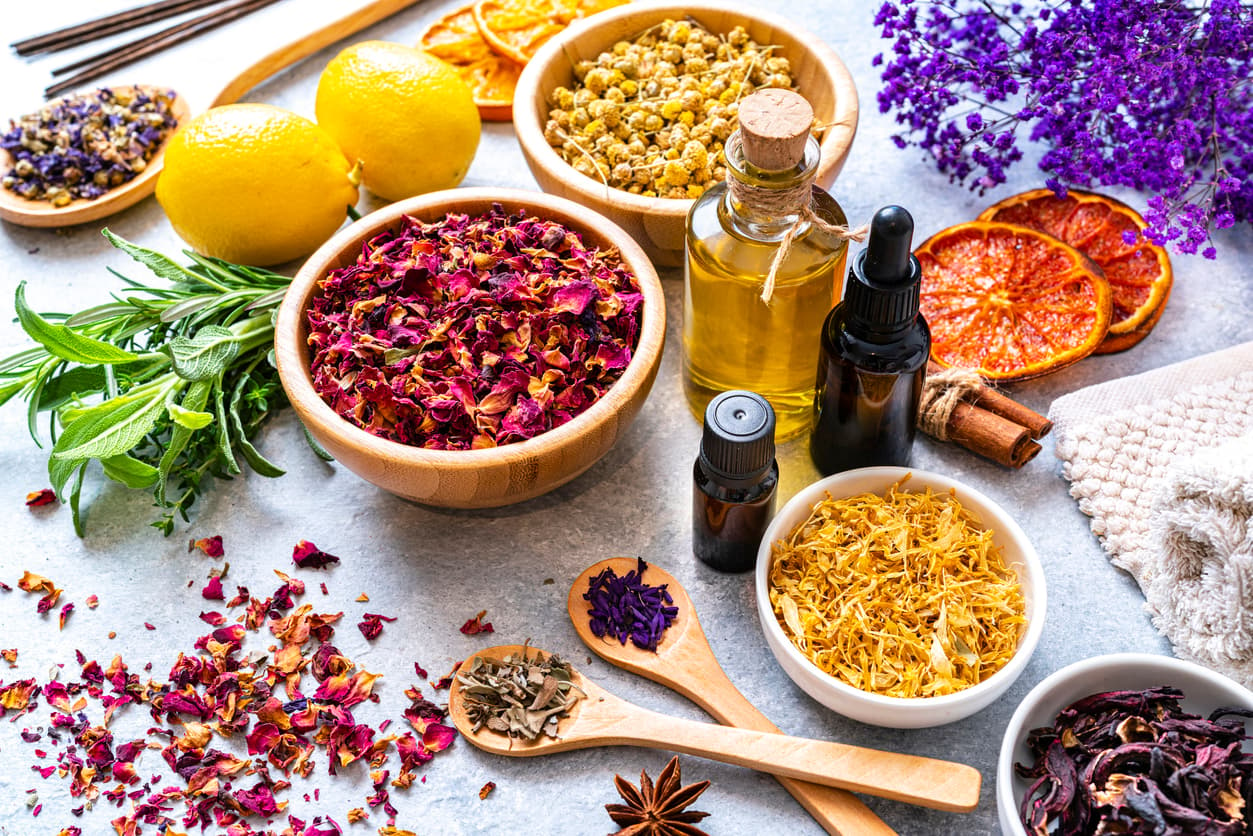
Flavors & Fragrances are at the heart of consumer experience—taste, aroma, identity. The industry is moving from petrochemical synthesis and resource-intensive extraction toward biotechnological production, where microorganisms and enzymes create nature-identical or novel molecules with higher consistency, lower footprint, and clean-label positioning.

What are Flavors & Fragrances?
Flavors: compounds that shape taste and aroma in foods and beverages (e.g., vanillin, nootkatone, natural esters).
Fragrances: aromatic molecules used in perfumes, personal care, home care, and increasingly in cosmetics/skin care—where purity, regulatory compliance, and sustainability matter.
Consumers increasingly accept fermentation-based ingredients versus chemically produced ones—especially when labeled as natural, bio-based, or clean-label. To meet this demand, biotechnological production relies mainly on two complementary approaches:
Microbial fermentation: yeasts/bacteria produce target aroma molecules or their direct precursors (e.g., vanillin precursors, fruity esters, terpenoids).
Enzymatic biocatalysis: enzymes convert inexpensive substrates into high-value flavor/fragrance molecules with high selectivity and the correct stereochemistry.
Market drivers and industry trends in F&F
The evolution of the Flavors & Fragrances (F&F) sector is shaped less by market shares alone and more by structural demand‑side and supply‑side drivers.
Today, the fragrances segment represents approximately 78% of the total F&F market, reflecting strong and sustained demand from personal care, home care, and cosmetics. Europe remains the leading region, accounting for over 31% of global market share, with countries such as France among the fastest‑growing, supported by strong industrial know‑how and regulatory frameworks favoring sustainable innovation.
Beyond geography and segmentation, growth is increasingly driven by:
Rising consumer demand for natural, traceable, and sustainable ingredients
Regulatory pressure to reduce reliance on petrochemical inputs
Supply chain instability affecting climate‑dependent, plant‑derived raw materials
Brand differentiation strategies focused on clean‑label and environmental claims
As a result, the industry—while still moderately fragmented—is seeing players invest heavily in biotechnology‑enabled production, R&D, and long‑term supplier collaborations. Fermentation and biocatalysis are no longer niche technologies, but strategic capabilities, enabling greater process control, year‑round production, consistent quality, and a reduced environmental footprint.
Advantages of bioproduction vs. traditional methods
Traditional methods such as petrochemical synthesis and plant extraction face increasing limitations. Petrochemical routes rely on fossil resources, while plant-derived ingredients require extensive land and water, depending on climate-sensitive crops, and often resulting in inconsistent yields and volatile supply.
Bioproduction offers a more efficient and sustainable alternative. Microorganisms like yeasts, bacteria, including engineered strains, grow quickly, can be easily modified to express plant pathways, and generally deliver much higher productivity than extraction. Enzymatic reactions also provide precise molecular selectivity, and many bio-based processes allow products to be labeled as “natural,” increasing their commercial value.
As these biotechnological methods gain ground, they are increasingly applied across flavors, fragrances, fermented foods, and personal care. In skin care, the demand for gentle, effective, and traceable formulations has accelerated the rise of fermented actives, while fermented foods such as yogurt, kombucha, kimchi, and sourdough continue to grow thanks to interest in probiotics and postbiotics.
Vanillin: an example of how production methods are evolving


Vanillin is one of the most iconic aroma molecules in food, beverages, and fragrances, and its production perfectly reflects the industry’s shift toward more sustainable, biotechnology-driven methods. With fermented vanillin already representing about 35% of global vanilla flavor use, the market is moving beyond traditional extraction and petrochemical synthesis. Below is a simplified overview of the main production routes.
Vanillin Production Pathways — Overview Table
Method | Source | High‑Level Process | Yield | Pros | Cons |
1. Extraction from Vanilla Beans (Natural) | Cured pods of V. planifolia / V. tahitensis | Beans are cured, dried, extracted with solvents or supercritical CO₂, then purified via chromatography or crystallization | 1.5–2% | Premium quality; eligible for “natural vanilla” | Very expensive; <1% of global supply |
2. Chemical Synthesis from Guaiacol | Petroleum‑derived guaiacol | Guaiacol reacts with glyoxylic acid, then oxidation and decarboxylation produce vanillin | >70% | Low cost, scalable, consistent | Synthetic; |
3. Lignin‑Based Production (bio‑based) | Lignin from wood/pulp industry | Oxidation of lignin generates intermediates chemically converted to vanillin | 0.6–6% | Renewable feedstock; reduced petrochemical use | Difficult purification; declining use |
4. Fermentative / Biotechnological Production | Engineered yeasts, bacteria, fungi | Microbes convert ferulic acid into vanillin via enzymatic pathways (decarboxylases, oxidases, reductases) | ~68% | Can qualify as “natural identical”; more sustainable | Higher cost than chemical synthesis |
Solaris Biotech’s mission for FoodTech

At Solaris Biotech, we believe that bio innovation is essential to shaping the future of food. Our mission is to enable sustainable progress across the bioprocessing lifecycle, advancing health, food security, environmental care, and economic progress. Innovation is essential to shaping the future of food. To us, innovation is not only technical achievement at scale — it’s also delivering meaningful value to producers, consumers, and the planet.
Solaris Biotech’ role in F&F innovations
Solaris Biotech supports Flavors & Fragrances (F&F) innovators with advanced fermenters and bioreactors designed to cultivate microorganisms at every scale — from lab to industrial production.
Solaris Biotech product portfolio for the F&F market spans from benchtop lab equipment up to pilot- industrial manufacturing with a volume range from 200 mL and above.
Through collaborative projects with customers, Solaris Biotech has helped to:
Explore new bioconversion strategies for vanillin and valorize agro-industrial by-products, leveraging engineered E. coli converting ferulic acid from wheat bran into vanillin with yields of up to 70% after substrate purification. (scientific publication)
Consistently produce fermentation-derived F&F ingredients by providing high purity and consistent commercial molecules, ensuring stable supply and price with a lower carbon footprint.
Develop new F&F molecules by optimizing microbial fermentation and enzymatic conversion pathways within R&D workflows to support innovation requirements.
Solaris product: scalable bioreactors for F&F processes.
Solaris Biotech bioreactors are configurable for batch, fed-batch, or continuous processes, featuring high-efficiency mixing, aeration, and precise control of key parameters: temperature, pH, dissolved oxygen, agitation speed, and more.
| BENCHTOP EQUIPMENT (IO) | PILOT EQUIPMENT |
Type | Lab bioreactor | Pilot bioreactor |
Volume Range | 200 mL to 1L | 30L to 200L |
Technical Role | Used for early R&D, in screening and process development. | Ideal for process optimization and manufacturing |


Solaris biotech bioreactors provide the optimal environment for cultivating microorganisms to be used as whole cells or for producing valuable biomolecules — supporting innovation from concept to commercialization. This consistency across scales allows innovators to transfer processes reliably from lab to pilot, reducing development risk and time to market.
CONTACT US FOR A TAILORED SOLUTION
The future of sensory innovation is bioengineered
By enabling precise, scalable, and sustainable bioprocesses, Flavors & Fragrances demonstrate how biotechnology can deliver tangible benefits for the environment, human well‑being, and industrial resilience.
At Solaris Biotech, our mission is to empower this transition—supporting FoodTech innovators as they transform sensory experiences while reducing environmental impact and strengthening supply chains.
The future of sensory innovation is bioengineered.
Solaris Biotech — Empowering innovation. Growing the future.
Stay tuned for our next chapter on Ingredients and Additives
Contact Us & Request Info
Thank you for your submission.
Our team will carefully review your request and provide a prompt response.